

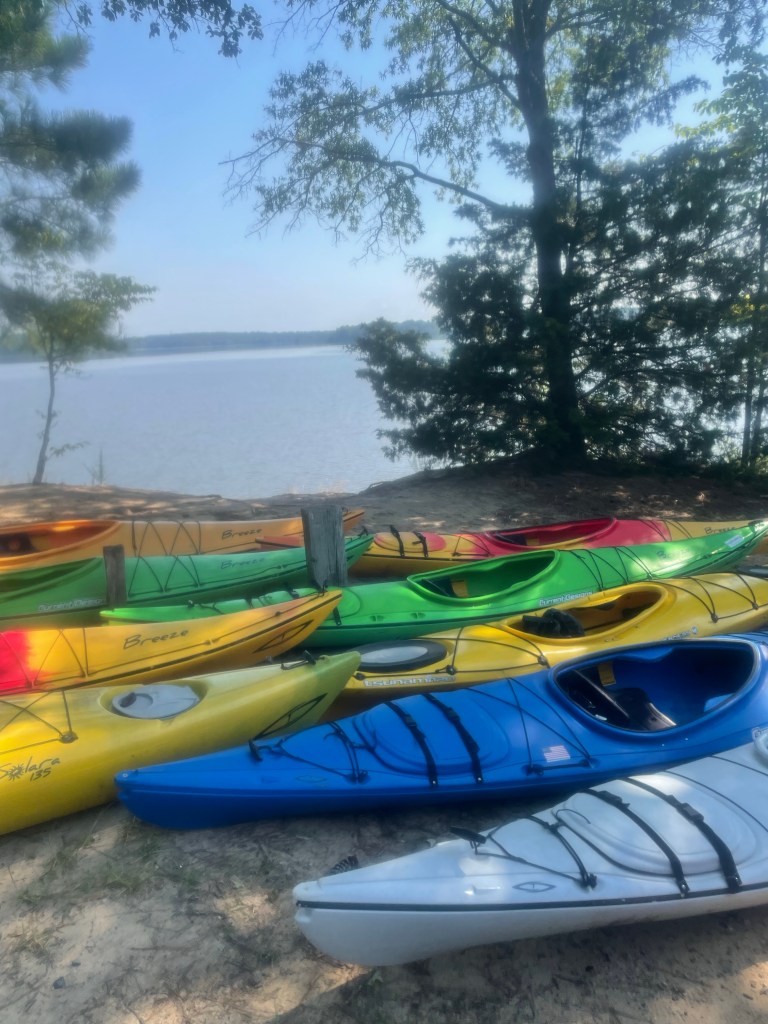
I always wanted to learn how to Kayak, and I finally did it!
I took a Kayak class today, and it was very helpful! Here’s what I learned:
The Kayak:
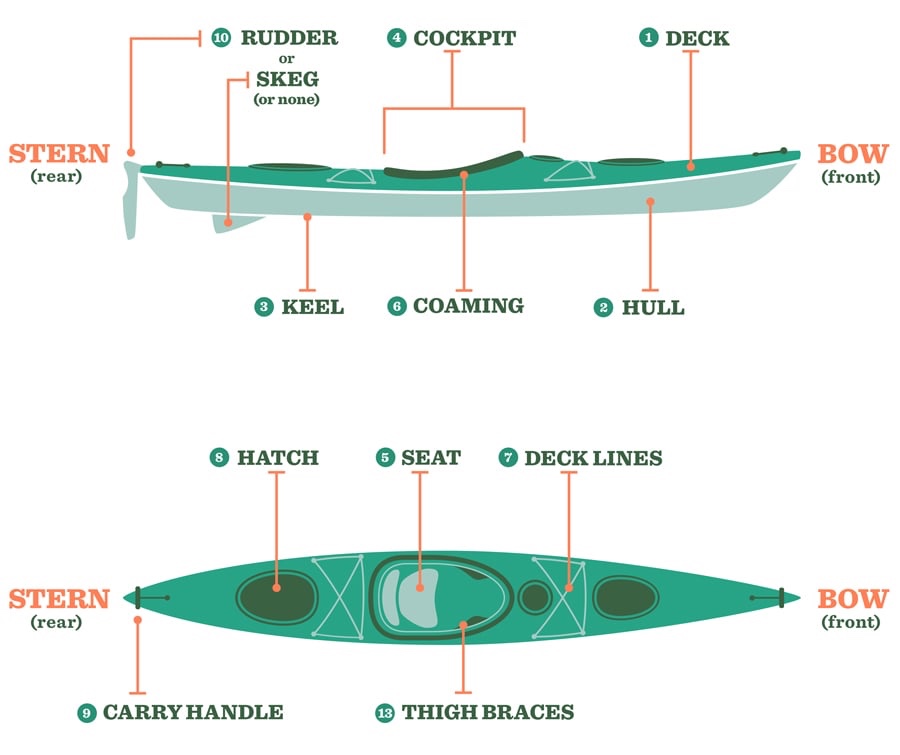
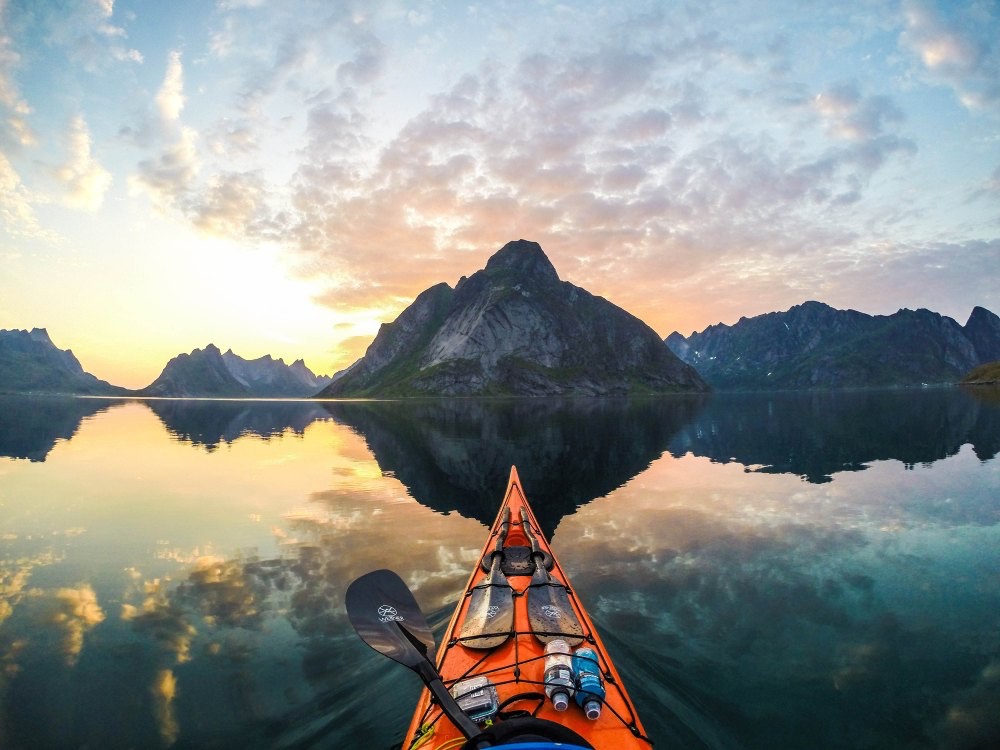
The top of the Kayak is referred to as a deck, and the bottom is the hill. The front is called the bow, and the back end is the stern. The cockpit is the opening in the deck where you sit, and the coaming is the lip of the cockpit where the spray deck attaches to the kayak.
Choosing a Kayak:
If you’re shopping for a Kayak, the most important thing to do is to identify the type of padding that you’re interested in and will be spending most of your time doing.
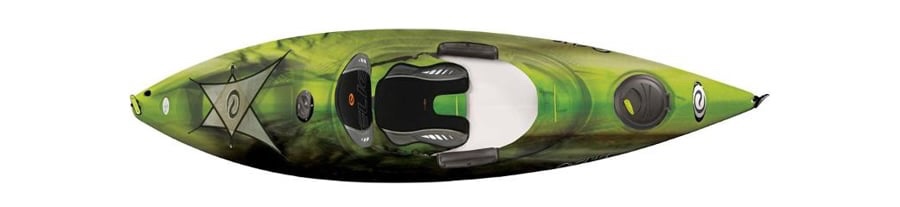
Recreational kayaks (sit-ins and sit-on-tops): Affordable, stable, easy to get in and out of, and simple to turn. They’re for flatwater fun or meandering rivers, not for longer trips, waves or rapids. Storage is typically limited to stash spots for a few essentials.
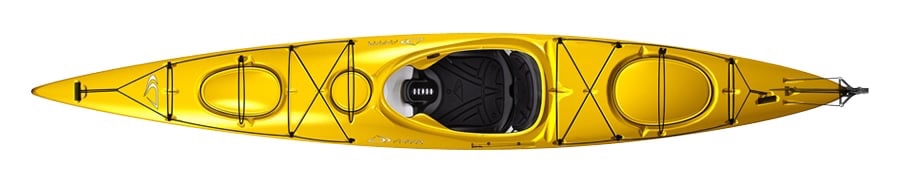
Day touring kayaks (sit-ins): These versatile boats are sleeker and more efficient to move than recreational boats—and will often have a higher price. Day touring kayaks also track straighter and give you more control in rough water than recreational boats. Because they are shorter than sea kayaks, day touring kayaks will be easier to transport and handle. They offer a moderate amount of cargo space.

Touring kayaks (sit-in sea kayaks): These long, robust touring boats are super efficient over distances. They track well and have a rudder or skeg to deal with wind and currents. You’ll find ample cargo space and higher prices in this category. (Note: If you’re absolutely committed to long trips and coastal kayaking, then you’ll save money by going to a sea kayak at the outset. If you’re not sure, a day-touring boat will cost less as an introductory boat, and make it easier to develop paddling skills.)
For beginners, I recommend Recreational Kayaks or Day Touring Kayaks. I had the day touring kayak today, and I liked it.
The Paddle:
I had a little bit of challenge paddling at the beginning of the class. My skills got improved but I feel that I still need more practice.
Personal Gear:
PFD: Personal Flotation Device. We don’t call it a life jacket anymore.
Kayaking specific PFDs offer large arm holes and minimal material around the shoulders so as not to restrict movement.
Dry Bags: It is the only way to keep stuff completely dry. I didn’t take a lot of things with me to the water. For couple hours in the water, I took my bottle of water and a Clif Bar. I did not want to risk my phone on a first time kayaking!
Dressing for warm or cold conditions: It is a good idea to cover as much exposed skin as possible with a light layer in hot weather.
For cold weather, a wetsuit is good against the cold, especially if there is a chance that you’ll be getting wet.
Water shoes and no sandals or flip flops.
The weather is always a major concern for Kayakers. Always check the weather forecast before heading out on the water.
Never kayak solo! Always with someone else, or keep your destination with your partner in case you don’t return.
Kayaking is fun, except if the kayak flips over! Then you need to know how to get yourself out of the water, flip the boat, and back to it.

 Carolina Mom