


My germy little girl is sick, and she is spreading her germs to the rest of the crew.
I swear I’m just ready to put her in a bubble and send her to school the rest of the year!
Here’s the germy girl painting her nails. 🤦🏻♀️

My son is sick as well. Dry cough but no fever. I am surrounded by little zombies! Help! Or maybe no help.
What matters is that it’s OK for our children to become sick with a cold. It helps nurture a stronger immune system. However, I don’t get enough sleep.
So, I have made thyme tea for my little zombies. A recipe that I inherited from my grandmother.
Thyme:
Thyme comes from the Mediterranean; part of the mint family and related to oregano.
It is the type most commonly used in historical recipes and remedies, especially in and around ancient Greece, Rome, and Egypt.
Varieties:
Culinary thyme and decorative thyme, which are not substitutes for each other; culinary thyme can be found in fresh or dried form
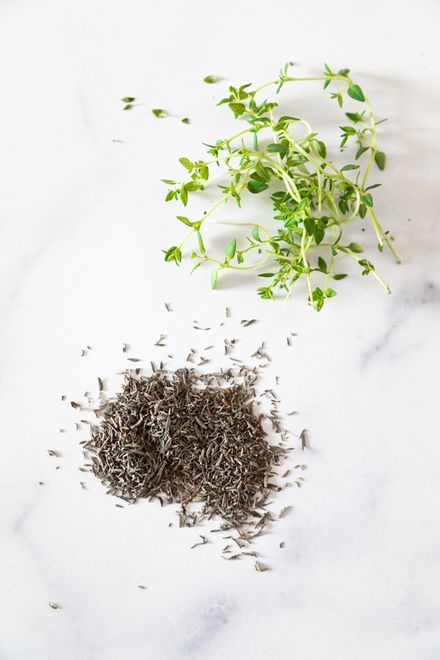
Thyme is great for respiratory health as well, with some clinical studies showing its use in soothing coughs and relieving chest congestion. While fresh thyme is the most helpful for this, the essential thyme oils available in thyme tea may have some of these benefits, too.
Thyme Tea Recipe:
2 Teaspoon dried thyme
2 cups hot water
Squeezed lemon
Honey
Directions:
Boil two cups of water. Place fresh or dried thyme in a mug. If using dried thyme, place it in a tea infuser.
Pour hot water over the thyme. Let steep for 15 minutes.
Remove the fresh thyme or tea infuser. Add raw honey and lemon juice as desired for taste.
Enjoy!
***Thyme tea offers a number of additional benefits I was not aware until now.
Inflammation Reduction
Thymol, one of the main oils in thyme, can fight against cyclooxygenase-2, or COX-2, an enzyme responsible for inflammation in the body.
Another oil in thyme, carvacrol, has a similar effect on inflammatory cytokines, which are signals your body uses to increase inflammation. This oil can help reduce it.
Gastrointestinal Health
You can also take thyme to help with gastrointestinal issues. Thyme has antimicrobial properties, which help reduce germs in food and can improve your gut microbes and your overall intestinal health. This herb can also help increase appetite, support healthy liver function, and increase the protective gastric mucus layers in your stomach, which help protect the stomach lining from acid. https://www.webmd.com/diet/thyme-tea-health-benefits
It’s great to keep dried thyme handy during flu season.
I’m feeling under the weather today! 🤧

 Carolina Mom