


My daughter and I had RSV. A couple of weeks later, we got the flu. My illness was serious! I suffered from fever.
RSV, which stands for respiratory syncytial virus. Also called human respiratory syncytial virus and human orthopneumovirus, is a common, contagious virus that causes infections of the respiratory tract.
For many, RSV causes a mild illness that can be managed at home.
On average, an infection lasts five days to a couple of weeks, and it will often go away on its own, the CDC says.
Sometimes, the cough can linger for up to four weeks, pediatricians say.
Symptoms may look like a common cold: a runny nose, a decreased appetite, coughing, sneezing, fever and wheezing. Young infants may seem only irritable or lethargic and have trouble breathing.
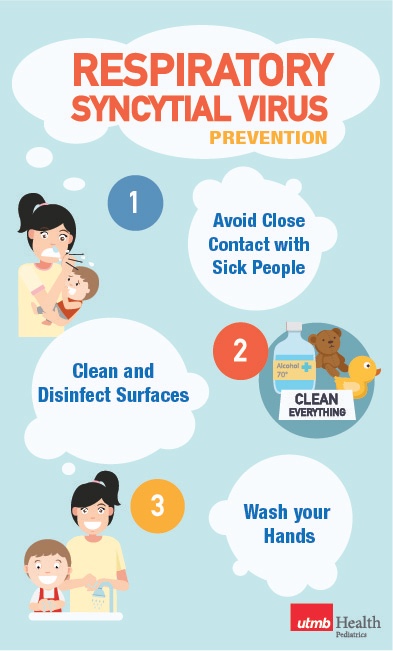
RSV treatment:
There’s no antiviral or specific treatment for RSV like there is for the flu, nor is there a vaccine. But if your child is sick, there are things you can do to help.
• Fever and pain can be managed with non-aspirin pain relievers like acetaminophen or ibuprofen. Also make sure your child drinks enough fluids.
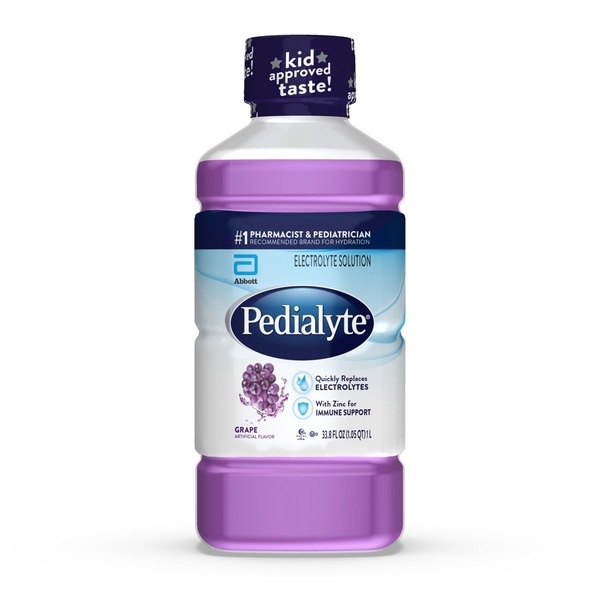
• RSV can make kids very dehydrated, especially when they’re not eating or drinking. Always have Pedialyte handy. This is my kids’ water replacement when they’re sick and refuse to drink water.
• Talk to a healthcare provider if your child is struggling to breathe or breathing with their ribs or belly. Symptoms which may kind of overlap with many of the other viruses that we’re seeing lately.
• Honey, thyme, lemon, and ginger. They are all good at home remedies to help with soar throat and cough.
RSV can be dangerous for some infants and young children.
RSV is the most common cause of bronchiolitis (inflammation of the small airways in the lung) and pneumonia (infection of the lungs) in children younger than 1 year of age in the United States. http://www.cdc.gov
Stay healthy!

 Carolina Mom