


Last weekend, I taught my daughter how to create a spa experience at home. She enjoyed a lavender bath, and we focused on skincare while discussing the importance of self-care for women. I emphasized that taking care of our bodies is essential.
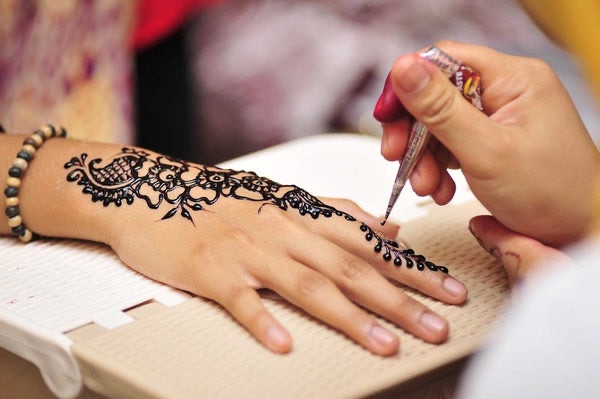
I also introduced her to my henna tattoo culture. Although she didn’t like the smell of henna, she appreciated the beauty of the designs.
I have to admit, it took me an hour to complete a design on each of my daughter’s hands. I watched a YouTube video to learn the design and then applied it to her. At first, she was not very patient, but she eventually enjoyed watching the video while I worked on her hands.
Unlike permanent tattoos, henna tattoos are a form of temporary body art. They are created by applying a paste made from the powdered leaves of the henna plant to the skin. This paste stains the skin a reddish-brown color, which can last from a few days to a couple of weeks, depending on the area of the body and the care taken afterward.
Henna tattoos are popular in many cultures, particularly in South Asia, the Middle East, and North Africa. They are often used to celebrate special occasions such as weddings and festivals. The designs vary widely, from simple patterns like floral motifs to more intricate and elaborate artwork.
Henna has a rich history that spans over 5,000 years. The earliest evidence of henna being used for body art and hair dye comes from ancient Egypt.
Ancient Egypt (c. 2000 BCE): Henna was popular among pharaohs and nobility. Traces of henna have even been found on the mummified remains of Egyptian royalty, indicating that it was used for both cosmetic and ritualistic purposes.
Henna was also used in perfumes during the pharaonic era.
Cyprinum: This costly perfume was made from henna, southernwood, and a pinch of cardamom and cinnamon. This perfume made people smell awesome and was very popular.

Tattoos were found on mummies in Egypt, notably on the remains of Amunet, a priestess of the goddess Hathor, who lived around 2000 BCE. Her tattoos were simple geometric shapes and dots.
India:
India’s tradition of henna (locally called mehndi) has a rich and ancient history, deeply woven into cultural and religious practices.
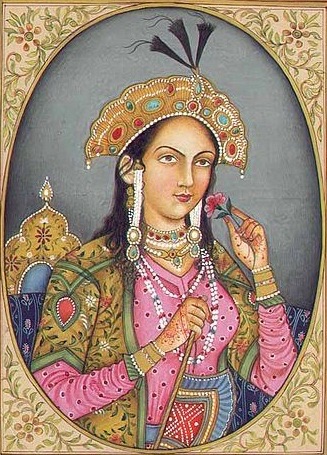
Henna was also adopted by royalty and the elite classes of Indian society, especially in the Mughal period (around 16th–19th centuries). The Mughals are believed to have popularized intricate mehndi designs for both men and women, especially during grand celebrations, weddings, and other important events. Mughal empresses like Empress Noor Jahan are often credited with enhancing the artistic use of henna, which became a symbol of wealth and luxury.
Henna tattoos have remained popular for thousands of years, and their appeal is deeply rooted in both cultural significance and personal expression.
A Symbol of Beauty and Adornment:
-Aesthetic Appeal: Henna is primarily used for body decoration, featuring intricate designs on the hands, feet, and sometimes even on arms and legs. These patterns are considered beautiful and elegant, enhancing a person’s physical appearance, especially during special occasions.
-Feminine Symbolism: In many cultures, henna represents femininity and is predominantly used by women, particularly during weddings and festive celebrations.
-Weddings: In Algeria and many other countries, henna plays a vital role in wedding rituals. It is a pre-wedding tradition where the bride, along with her female relatives and friends, gathers to apply henna to her hands and feet. This ceremony is filled with music, dance, and celebration. The bride’s hands are often adorned with the most intricate and detailed designs, and it is believed that the darker the henna stain, the stronger her bond with her groom.

– Henna is also applied during religious holidays such as Eid, marking significant life events and associated with beauty rituals and spirituality.
Henna has evolved from a simple beauty practice to a deeply meaningful and culturally significant art form across many regions of the world. Whether used for beauty, spiritual protection, or celebration, henna’s significance transcends generations and cultures. Its rich history and symbolic meanings make it much more than just a temporary body art—it represents the celebration of life, love, protection, and cultural identity.

 Carolina Mom
So cool. One of my sister in laws is Indian and the women got henna tattoos before the wedding. I thought it was the coolest thing ever.
LikeLiked by 1 person
Yes, henna tattoo is so cool. I love it! I sometimes I apply it on my hands without any necessary occasion.
LikeLiked by 1 person
Fun!
LikeLiked by 1 person
These are wonderful, and I love the impermanence of their beauty! 🌟
LikeLiked by 1 person
Thank you!
LikeLiked by 1 person